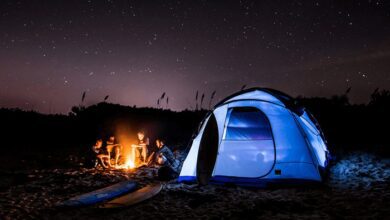
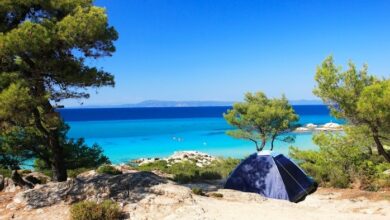
Being alone immersed in nature is both freeing and offers an opportunity to challenge yourself. However, a solo camping experience requires extra safety and planning. Here are 10 critical tips you should definitely consider when setting up camp on your own:
1. Research Your Destination Thoroughly

Before you go, study the campsite map and learn about road conditions and terrain. Note water sources, emergency exit routes, and whether you’ll have cell service.
2. Inform Your Loved Ones of Your Plan

Share when you plan to depart and return, your exact camping location, and designate an emergency contact who can check on you during the day.
3. Choose Lightweight Yet Functional Gear

Every ounce matters when camping solo. Prioritize essential items like a reliable tent, a sleeping bag rated for the expected temperatures, and compact cooking equipment.
4. Plan Your Water and Food Storage
Carry enough drinking water or bring a water-purification filter. Choose easy-to-open, nutrient-dense snacks such as energy bars and nuts.
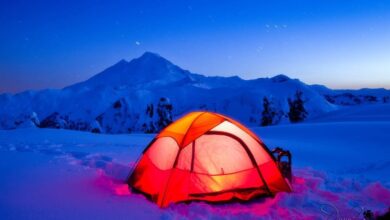
5. Monitor Weather Conditions

Check local weather forecasts before you leave and each day of your trip. Be prepared for sudden rain, storms, or temperature drops.
6. Don’t Forget Navigation Tools

Bring backup power for your smartphone; carry a compass, a physical map, and ideally a GPS-enabled device. Don’t forget a power bank for your electronics.
7. Prepare an Emergency Kit

Keep a small bag with life-saving items such as a first-aid kit, energy gel, a knife, rope, a lighter, and an emergency blanket.
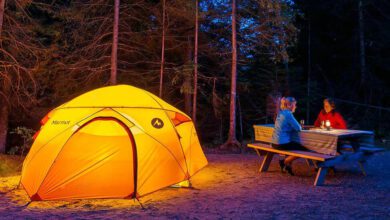
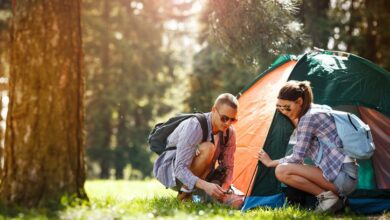
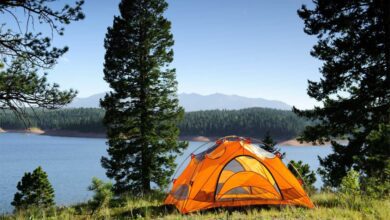
8. Set Up Your Tent Safely

Choose a flat, rock-free area with no risk of water pooling. Secure your tent with stakes and guy-lines, considering wind direction.
9. Follow Fire Regulations and Safety Measures

Don’t build fires in areas that require permits. Always supervise your campfire and position it so it poses no risk to children, pets, or your surroundings.
10. Respect the Environment

Adopt the “Leave No Trace” principle: pack out all your trash, leave the site clean, and avoid disturbing wildlife.
By following these tips, you can enjoy a safe and enjoyable solo camping adventure. Remember, thorough planning and the right gear greatly reduce the risks of camping alone. Happy exploring!